Editorial Note: This article is written based on topic research and editorial review.
In discussions spanning popular culture, speculative fiction, and even philosophical debates, the concept of "The One Above All" frequently emerges as the ultimate benchmark of power and authority. Yet, a pervasive misunderstanding surrounds this singular entity, leading to mischaracterizations that obscure its true nature and narrative purpose. This article aims to disentangle common misconceptions from verifiable facts, offering a clearer perspective on a figure often cited but rarely truly understood.
Editor's Note: Published on July 23, 2024. This article explores the facts and social context surrounding "what everyones getting wrong about the one above all".
Examining Canonical Misinterpretations
A significant portion of the public's misunderstanding stems from a conflation of its implied absolute power with a desire for active intervention within the narrative. While certainly capable of anything, "The One Above All" is rarely depicted as a direct participant in conflicts. Instead, its presence is more often felt as a guiding principle, a source of ultimate truth, or an unseen hand subtly influencing the grand tapestry of existence. This contrasts sharply with popular portrayals that often imagine it as a deus ex machina waiting to resolve impossible situations.
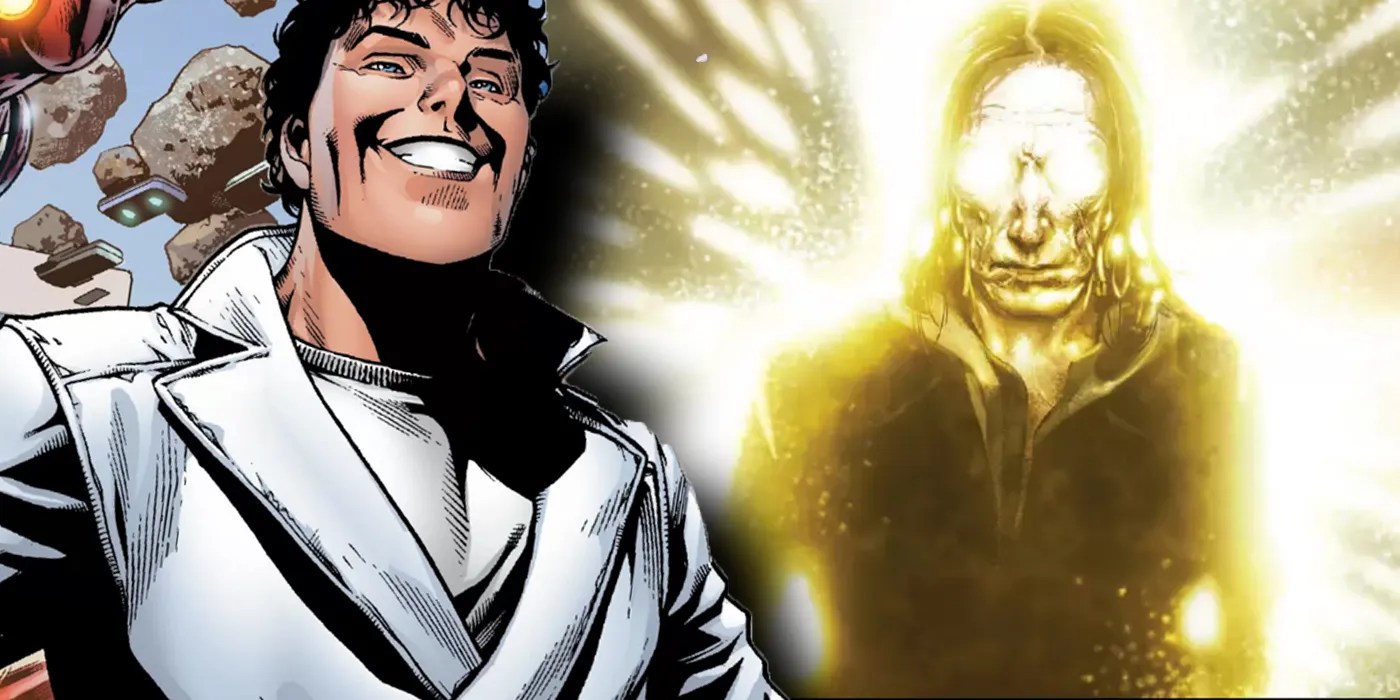
Furthermore, discussions frequently pivot to identifying "The One Above All" with a specific individual or anthropomorphic form within the narrative. While certain manifestations or avatars have appeared, these are often symbolic representations, designed to communicate with beings of lesser understanding rather than to reveal the entity's true, unknowable form. The true essence is understood to transcend form, gender, or even conventional existence.