Editorial Note: This article is written based on topic research and editorial review.
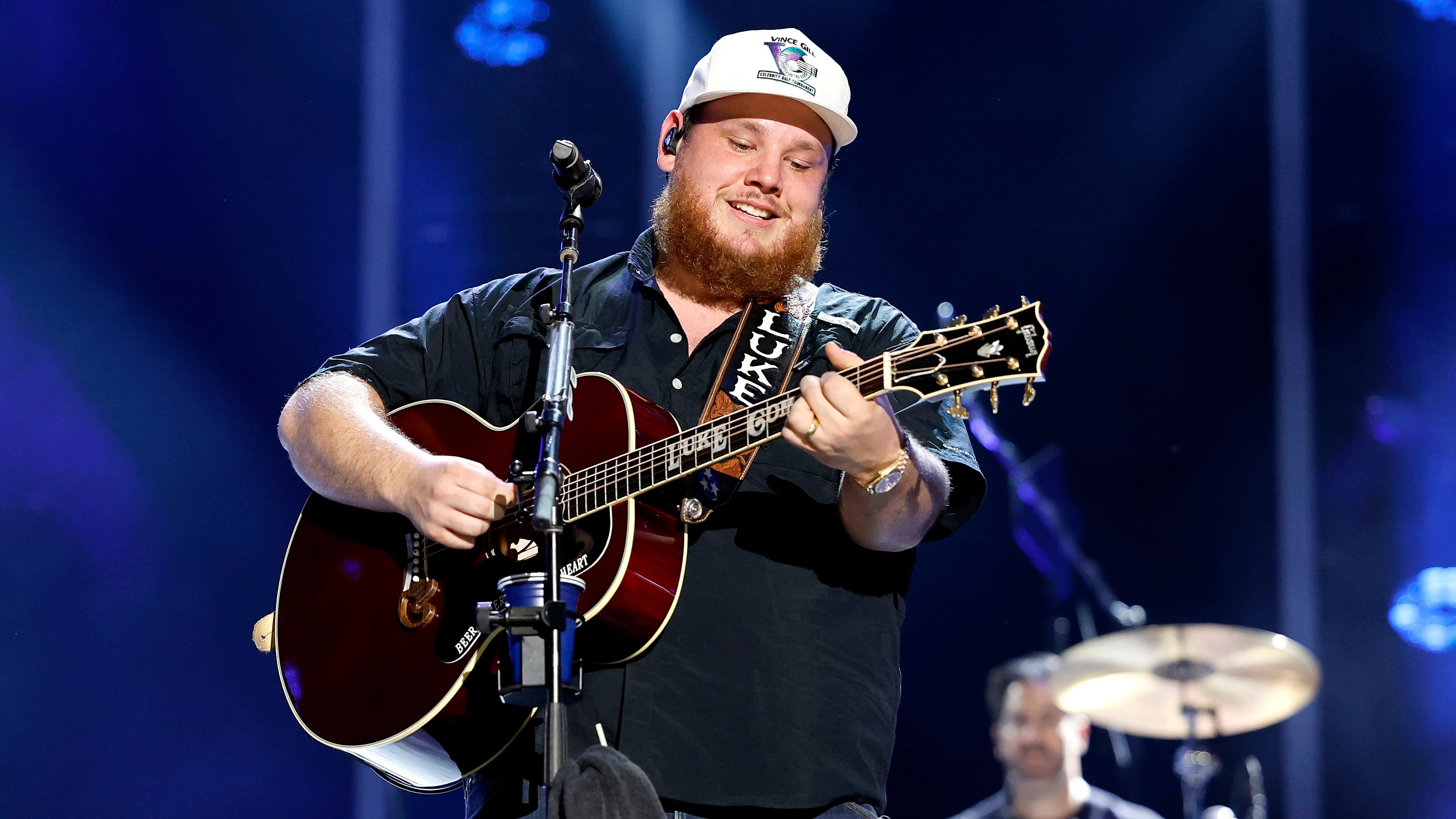
The concept encapsulated by this phrase refers to the unexpected convergence of a public figure's political leanings with their professional domain, especially when these leanings diverge from the conventional expectations associated with their audience or genre. Specifically, it describes a prominent figure within the country music genre reportedly aligning politically with a public official often associated with a different ideological spectrum. This scenario provides a compelling illustration of how individual political choices can markedly deviate from perceived group affiliations, thereby capturing significant public and media attention. Such events underscore the intricate relationship between personal conviction and public identity, challenging simplistic categorizations.
Instances of this nature are important because they highlight the increasing complexity of political identity in contemporary society, actively questioning stereotypes and showcasing the breadth of opinion within diverse cultural segments. They also underscore the fundamentally personal character of political decisions, regardless of a public figure's professional persona. Engaging with such phenomena offers the benefit of fostering a more sophisticated public discourse, encouraging a shift beyond superficial assumptions about political allegiances tied to demographic or professional categories. Historically, artists and public figures have frequently used their platforms to articulate political views, sometimes reinforcing, and at other times challenging, societal norms. While the entanglement of cultural production and political engagement is a constant theme, what distinguishes certain occurrences is the perceived degree of incongruity, which often prompts extensive examination of the underlying societal and cultural dynamics.
This particular situation functions as an exemplary case study for broader analytical discussions. It effectively introduces explorations into the evolving political leanings within various music genres, the complexities public figures navigate in balancing personal political beliefs with their professional brand, and the varied reactions from their audiences. Further analysis could investigate the mechanisms by which such disclosures influence fan bases, shape media narratives, and impact the overall political conversation surrounding cultural industries.
Conclusion
The examination of a prominent country music artist's reported political alignment with a figure often associated with a different ideological spectrum has served as a compelling lens through which to analyze the intricate relationship between personal conviction and public identity. This exploration underscored several critical points: the necessity of challenging monolithic assumptions about audience demographics within cultural genres, the paramount importance of verifying information versus relying on unconfirmed reports, and the fundamental autonomy of individual political choice irrespective of professional persona. It highlighted how such perceived divergences necessitate a deeper look into broader societal shifts and evolving political landscapes, rather than attributing them to isolated anomalies. The analysis further emphasized the significant impact these intersections can have on public discourse, fan engagement, and the ongoing dialogue between cultural industries and political narratives.
Ultimately, the scenario represented by this unexpected intersection compels a re-evaluation of how political identities are perceived and discussed within contemporary cultural contexts. It underscores the limitations of simplistic categorization and advocates for a more nuanced understanding of the diverse viewpoints held by individuals across all professional and demographic boundaries. As societies continue to evolve, the interplay between artistic expression and political conviction will undoubtedly yield further instances that challenge preconceived notions, thereby enriching the ongoing conversation about the complex tapestry of modern identity and governance. Engaging with these phenomena thoughtfully and critically remains essential for fostering a more informed and sophisticated public discourse regarding the dynamic nature of politics in cultural life.