Editorial Note: This article is written based on topic research and editorial review.
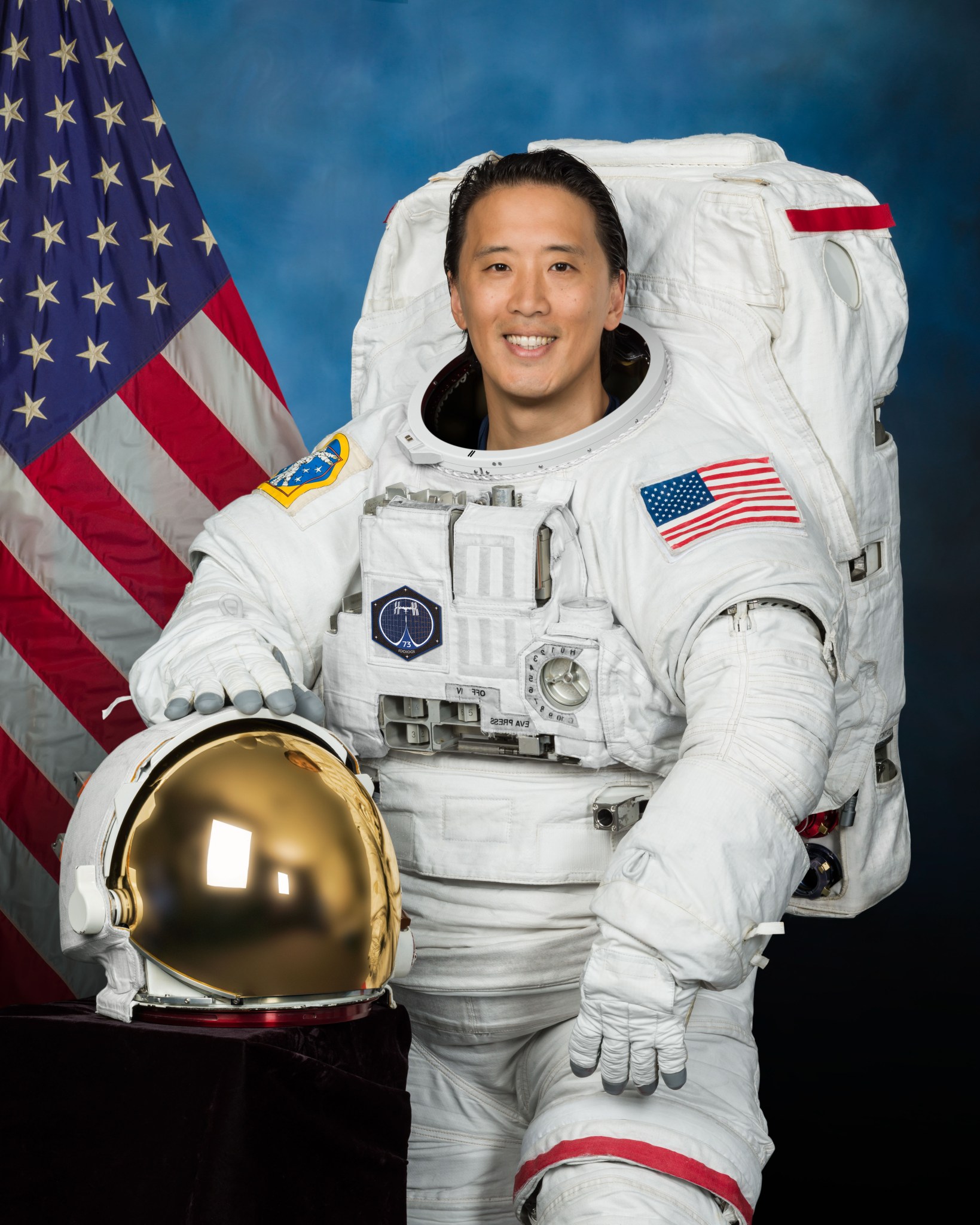
The term "Jonny Kim height" refers to the specific vertical measurement of Dr. Jonathan Kim, an American Navy SEAL veteran, physician, and NASA astronaut. Functioning as a noun phrase, it precisely identifies a key physical attribute, often sought when constructing a comprehensive biographical profile of notable public figures. Such details, while seemingly minor, contribute to a complete understanding of individuals who operate in fields with stringent physical and professional requirements, providing a foundational data point for general informational purposes.
The relevance of an individual's physical stature, particularly for someone like Dr. Kim, extends beyond mere biographical curiosity. In professions such as military special operations and space exploration, anthropometric data can be a critical factor. For astronauts, specific body dimensions are crucial for ensuring proper fit within spacecraft modules, spacesuits, and for ergonomic interaction with control systems. While not a primary determinant of success, adherence to certain physiological parameters helps ensure operational efficiency and safety in highly demanding environments. For members of elite military units, overall physical fitness and adaptability are paramount, and while exact vertical dimensions are rarely disqualifying, they contribute to the complete physiological profile considered for equipment outfitting and task assignment.
Ultimately, while a person's vertical dimension is a tangible metric, it represents only one small facet of an individual's overall capabilities and achievements. Dr. Kim's remarkable trajectory across three exceptionally challenging careers as a decorated Navy SEAL, a highly trained physician, and a prospective space explorer highlights a profound combination of intellectual acumen, unwavering discipline, and extraordinary resilience. Discussions surrounding his physical attributes often serve as an entry point to exploring his extensive accomplishments, his dedication to service, and the rigorous standards upheld by the institutions he has represented.
1. Biographical Data Point
The phrase "jonny kim height" functions directly as a biographical data point. A biographical data point is an individual, factual piece of information that contributes to a person's life history or profile. In this context, the specific vertical measurement of Dr. Jonathan Kim serves as one such objective metric. The connection is intrinsic: Dr. Kim's height is a measurable, verifiable attribute, and its inclusion in any biographical sketch or official record instantly classifies it as a fundamental piece of personal data. For individuals whose careers involve public service or highly specialized roles, such as an astronaut or a Navy SEAL, these data points are crucial for establishing an accurate and complete factual record. This includes not only his physical stature but also birthdate, place of birth, educational background, and professional assignments. The practical significance lies in its role as a building block for an individual's public and professional identity, forming part of the verifiable information that distinguishes one person from another.
Further analysis reveals that while the vertical dimension itself is a simple numerical value, its categorization as a biographical data point imbues it with broader utility. For institutions like NASA, comprehensive anthropometric data, which includes height, is meticulously collected for all astronaut candidates. This information is vital for critical operational considerations, such as ensuring proper fit within spacecraft capsules, spacesuits, and various equipment designed for specific human dimensions. Without precise biographical data points, the development of safe and effective equipment for space missions would be significantly hindered. Furthermore, the consistent documentation of such facts across official records provides a standardized reference, preventing inaccuracies and facilitating straightforward information retrieval for researchers, historians, and official bodies compiling detailed profiles.
In summary, the relationship between "Biographical Data Point" and "jonny kim height" is one of classification and instantiation; the latter is a specific example of the former. This foundational connection underscores the critical importance of factual precision in constructing any individual's narrative, particularly for those in high-stakes professions. Challenges arise when such basic data points are inaccurate or missing, potentially leading to misrepresentation or operational inefficiencies. By meticulously recording and maintaining these seemingly minor details, a robust and credible framework for understanding an individual's professional and personal journey is established, linking a singular physical attribute to the broader theme of comprehensive and verifiable biographical documentation.
2. Anthropometric Measurement
The term "jonny kim height" directly represents a singular data point within the broader domain of anthropometric measurement. Anthropometry, as a scientific discipline, involves the systematic measurement of the human body's physical characteristics. Dr. Kim's vertical dimension, therefore, functions as a specific instance of an anthropometric datum. This connection is not merely semantic; it underpins critical considerations in fields requiring precise human-system interaction, such as aerospace and military special operations. The cause-and-effect relationship manifests wherein the stringent requirements of these professions necessitate the collection of accurate anthropometric data (the cause), leading to the precise measurement and documentation of attributes like height (the effect). The importance of this measurement is profound: it serves as a fundamental input for designing equipment, environments, and safety protocols. For instance, in astronaut selection, specific height ranges are often established to ensure compatibility with spacecraft interiors, egress systems, and the confines of extravehicular activity (EVA) suits. A deviation from these established parameters can impact an individual's eligibility or necessitate costly and complex customization of mission-critical gear, directly illustrating the practical significance of this understanding.
Further analysis reveals that while "jonny kim height" focuses on one particular dimension, anthropometric measurement encompasses a comprehensive array of body dimensions, including sitting height, limb lengths, weight, and various circumferences. These measurements are crucial for human factors engineering, a discipline focused on optimizing the relationship between humans and their work environment. In the context of space exploration, for example, the entire suite of an astronaut's anthropometric data dictates the design and allowable ranges for control panel placement, bunk sizes, and even emergency evacuation procedures. For special operations personnel, such measurements inform the design of body armor, specialized equipment packs, and vehicle interiors, ensuring optimal performance and minimizing physical stress in highly demanding situations. The careful consideration of these dimensions prevents potential issues such as equipment incompatibility, restricted movement, or compromised safety, all of which could have severe implications in high-stakes operational contexts where efficiency and survivability are paramount.
In conclusion, the relationship between "Anthropometric Measurement" and "jonny kim height" is that of a scientific principle to its specific application. The height of an individual like Dr. Kim is not an arbitrary number but a critical piece of data within a structured anthropometric profile, directly influencing suitability and operational efficacy in specialized roles. The primary challenge lies in accommodating the inherent variability of human dimensions while designing standardized systems and equipment that ensure safety and performance for a diverse pool of individuals. This rigorous approach to measuring and applying human physical data underscores its role as a cornerstone of human factors engineering, moving beyond mere description to proactive design and risk mitigation. Thus, a seemingly simple measurement holds profound implications for mission success and human well-being in the most challenging professional environments.
3. Astronaut Criteria Relevance
The connection between "jonny kim height" and "Astronaut Criteria Relevance" is fundamental, with the former serving as a specific data point evaluated under the latter's broad scope. Astronaut selection processes, particularly at agencies like NASA, incorporate rigorous physical and medical standards, which invariably include precise anthropometric measurements. A candidate's vertical dimension is not merely a descriptive characteristic but a critical criterion impacting suitability for spaceflight. The cause for this strict consideration stems from the highly constrained and specialized environments of spacecraft and extravehicular activity (EVA) suits. These systems are designed within specific anthropometric envelopes to ensure optimal functionality, safety, and ergonomics. Therefore, an individual's height dictates their compatibility with these pre-engineered systems, directly influencing their ability to operate controls, fit within crew quarters, and perform tasks both inside and outside the vehicle. The practical significance of this understanding is evident in the established height ranges for astronaut candidates; deviations can lead to significant operational challenges or even disqualification, as precise fit is paramount for mission success and astronaut well-being.
Further analysis reveals that while a specific height measurement like Dr. Kim's is a key data point, it is evaluated alongside a comprehensive array of anthropometric attributes, including sitting height, arm reach, leg length, and body mass. These measurements collectively determine an individual's overall fit within the volume and design constraints of various mission hardware. For example, a candidate who is too tall might experience limited head clearance in capsules or difficulty maneuvering within tight internal spaces, potentially impeding critical operations or emergency egress. Conversely, a candidate who is too short might struggle to reach essential controls or displays, compromising their ability to perform tasks effectively. Spacesuits, designed to operate in the vacuum of space, are another prime example where exact body dimensions are critical for ensuring proper pressure sealing, joint articulation, and overall functionality. Any misfit could compromise the suit's integrity, restrict movement, or cause injury. Thus, the emphasis on precise anthropometric data underscores a proactive approach to human factors engineering in aerospace, ensuring that the human element seamlessly integrates with complex technological systems.
In conclusion, the height of an individual considered for astronaut duty, exemplified by "jonny kim height," is a direct manifestation of "Astronaut Criteria Relevance" related to anthropometry. This relationship highlights that physical dimensions are not arbitrary but are integral to the rigorous selection process, acting as crucial parameters for ensuring operational viability and safety. The primary challenge lies in balancing the need for highly specialized equipment designed for specific human dimensions with the desire to select from a broad and diverse pool of exceptionally qualified candidates. Ultimately, the careful consideration of physical attributes like height is a testament to the meticulous planning and emphasis on human safety that characterizes space exploration, ensuring that every astronaut is optimally prepared and equipped for the demanding environment beyond Earth.
4. Physical Attribute Consideration
Physical Attribute Consideration refers to the systematic evaluation of an individual's inherent bodily characteristics in relation to specific functional requirements, environmental constraints, or safety protocols. In the context of "jonny kim height," this concept gains particular prominence. For individuals engaged in highly specialized and demanding professions, such as military special operations or space exploration, a person's physical dimensions are not merely descriptive details but critical factors subject to meticulous assessment. This evaluation is essential for ensuring operational effectiveness, safety, and compatibility with sophisticated equipment and confined environments. The precise vertical measurement of Dr. Kim serves as a salient example of how such considerations are integral to qualification and operational planning in these high-stakes domains.
- Operational Compatibility
The vertical dimension of an individual directly influences their capacity to operate effectively within pre-designed spaces and with specific machinery. In aerospace, for instance, an astronaut's height must fall within a defined range to ensure unimpeded access to controls, clear sightlines through windows, and comfortable interaction with instrument panels. For Navy SEALs, this translates to the ability to maneuver within cramped vehicle interiors, submarine hatches, or specialized combat positions without impediment, ensuring agility and unhindered task execution. Exceeding or falling below these parameters can compromise response times, situational awareness, and the efficient execution of critical procedures.
- Equipment Design and Fit
Personal protective equipment and specialized gear are often engineered to accommodate a specific spectrum of human body sizes. An individual's height, as a key anthropometric input, directly affects the fitting and functionality of items such as spacesuits, rebreathers, body armor, and specialized weapon systems. An ill-fitting spacesuit, for example, could lead to pressure points, restrict mobility, or compromise its life-sustaining integrity. Similarly, combat gear not properly sized to an individual's height could hinder movement, distribute weight unevenly, or expose vulnerable areas, thereby reducing effectiveness and increasing risk.
- Safety and Ergonomics
Considerations of physical attributes are intrinsically linked to ensuring safety and promoting ergonomic efficiency. Height influences factors such as head clearance, required reach, and optimal posture within workstations or operational zones. In a spacecraft, inadequate head clearance could pose a collision hazard during dynamic maneuvers, while an inability to comfortably reach controls could lead to strain or slower responses. For special operators, ergonomic considerations related to height prevent musculoskeletal injuries from prolonged awkward postures or repetitive movements, thereby maintaining long-term health and operational readiness.
- Selection Criteria
For elite professions, specific physical attributes, including height, often form part of the initial screening and subsequent detailed medical and physical examinations. These criteria are not arbitrary but are established based on validated operational requirements and historical data concerning mission success and safety. While not a sole determinant, a candidate's height must typically fall within prescribed minimum and maximum limits to ensure they can adequately interface with equipment and environments from the outset. This pre-screening helps streamline the selection process, focusing resources on candidates who meet fundamental physiological compatibility benchmarks.
These facets collectively underscore that the Physical Attribute Consideration of "jonny kim height" transcends simple description. It embodies a multifaceted integration of human biology with engineering design, operational demands, and safety protocols. The precise assessment of such physical characteristics is not a trivial exercise but a fundamental pillar supporting the efficacy and survivability of individuals operating at the apex of human endeavor. Understanding this interplay reveals how a seemingly straightforward measurement becomes a critical determinant in highly specialized, risk-intensive fields.
5. Informational Profile Component
An "Informational Profile Component" refers to any distinct piece of data that collectively forms a comprehensive understanding of an individual. For public figures, particularly those whose careers involve highly specialized and demanding roles, such as Dr. Jonathan Kim, these components are critical for constructing an accurate, functional, and publicly accessible biographical record. The mention of "jonny kim height" exemplifies such a component, serving as a specific, verifiable factual detail that contributes to a holistic representation of his physical and professional attributes within his unique operational contexts. Its inclusion is not arbitrary but serves to inform various aspects of his career and public persona.
- Standardized Biographical Data
The vertical dimension of an individual, such as Dr. Kim's height, functions as a core piece of standardized biographical data. This information is routinely collected and documented by institutions like the U.S. Navy and NASA as part of official personnel records. Its role is to provide a foundational, immutable fact that contributes to an individual's unique identifier. For example, alongside birthdate, nationality, and educational qualifications, height is a common field in official documentation, ensuring a consistent and verifiable factual basis for any personnel file or public biography. The implication for "jonny kim height" is that it is a formally recorded metric, essential for administrative and historical purposes, distinguishing him as an individual within a vast organizational structure.
- Professional Eligibility and Compliance Metric
In professions with stringent physical requirements, an individual's height serves as a direct metric for professional eligibility and compliance. For astronaut candidates, specific anthropometric ranges, including height, are established to ensure compatibility with pre-engineered spacecraft systems, crew quarters, and life-sustaining equipment like spacesuits. These ranges are not arbitrary but are derived from critical human factors engineering to ensure safety, operational efficiency, and ergonomic function. Dr. Kim's height would have undergone rigorous evaluation against NASA's established anthropometric criteria during the astronaut selection process, signifying its role as a compliance metric essential for qualifying for spaceflight. Non-compliance could lead to logistical challenges or direct operational hazards, underscoring its profound importance.
- Human Factors and Ergonomics Input
An individual's height provides crucial input for human factors engineering and ergonomic design, particularly for specialized equipment and environments. Engineers rely on anthropometric data to design operational spaces, control panels, seating arrangements, and personal protective equipment that optimize human performance and minimize physical strain. For instance, the design of a spacecraft cockpit or the internal layout of a submarine would consider the height range of its operators to ensure accessible controls and comfortable working postures. Dr. Kim's specific height, therefore, acts as an inherent design constraint or parameter for the equipment and environments he interacts with as both a Navy SEAL and an astronaut, directly influencing the ergonomic efficacy and safety of his operational gear.
- Public and Media Profile Enhancement
For public figures, especially those whose achievements garner significant public interest, specific physical attributes like height often become part of their public and media profiles. While not directly linked to professional competency, these details contribute to a complete picture for a public audience seeking to understand individuals who accomplish extraordinary feats. Information about "jonny kim height" can appear in biographical articles, interviews, or fan-driven discussions, adding a tangible, relatable dimension to his otherwise exceptional narrative. Its inclusion assists in forming a well-rounded public perception, providing an additional data point that helps audiences contextualize and connect with an individual's remarkable journey.
These facets collectively underscore that "jonny kim height" is far more than a simple numerical value; it is a critical informational profile component with multifaceted implications. Its inclusion serves practical, operational purposes within highly specialized fields, directly impacting eligibility, equipment design, and safety protocols. Simultaneously, it contributes to a robust biographical record and enriches the public's understanding of an individual who exemplifies remarkable human achievement. Thus, a seemingly basic physical measurement becomes an integral part of a comprehensive professional and public narrative, essential for both institutional documentation and broader comprehension.
Conclusion
The exploration of "jonny kim height" has revealed its profound significance beyond a simple numerical value. Functioning as a precise noun phrase and a key keyword, this specific measurement is integral to understanding Dr. Jonathan Kim's remarkable career trajectory across elite military operations and space exploration. It serves as a crucial biographical data point, meticulously documented for official records. Furthermore, its classification as an anthropometric measurement underscores its scientific relevance, acting as a foundational input for human factors engineering. Critically, this physical attribute directly correlates with astronaut selection criteria, dictating compatibility with spacecraft architectures, life-support systems, and specialized equipment. The comprehensive consideration of such physical attributes ensures operational compatibility, enhances safety, and facilitates ergonomic design, illustrating how a seemingly straightforward dimension is deeply embedded within complex professional frameworks.
Ultimately, the detailed examination of "jonny kim height" emphasizes that physical dimensions are not peripheral details but core elements in determining an individual's suitability and operational effectiveness within highly specialized and risk-intensive domains. This meticulous attention to anthropometric data is a testament to the scientific rigor applied in ensuring human safety and optimizing performance in environments where margins for error are exceptionally narrow. The ongoing evolution of spacecraft design and advanced operational equipment necessitates continuous, precise anthropometric assessment, reaffirming the enduring importance of such detailed physical data in advancing human capabilities and ensuring the success of future endeavors in exploration and defense.