Editorial Note: This article is written based on topic research and editorial review.
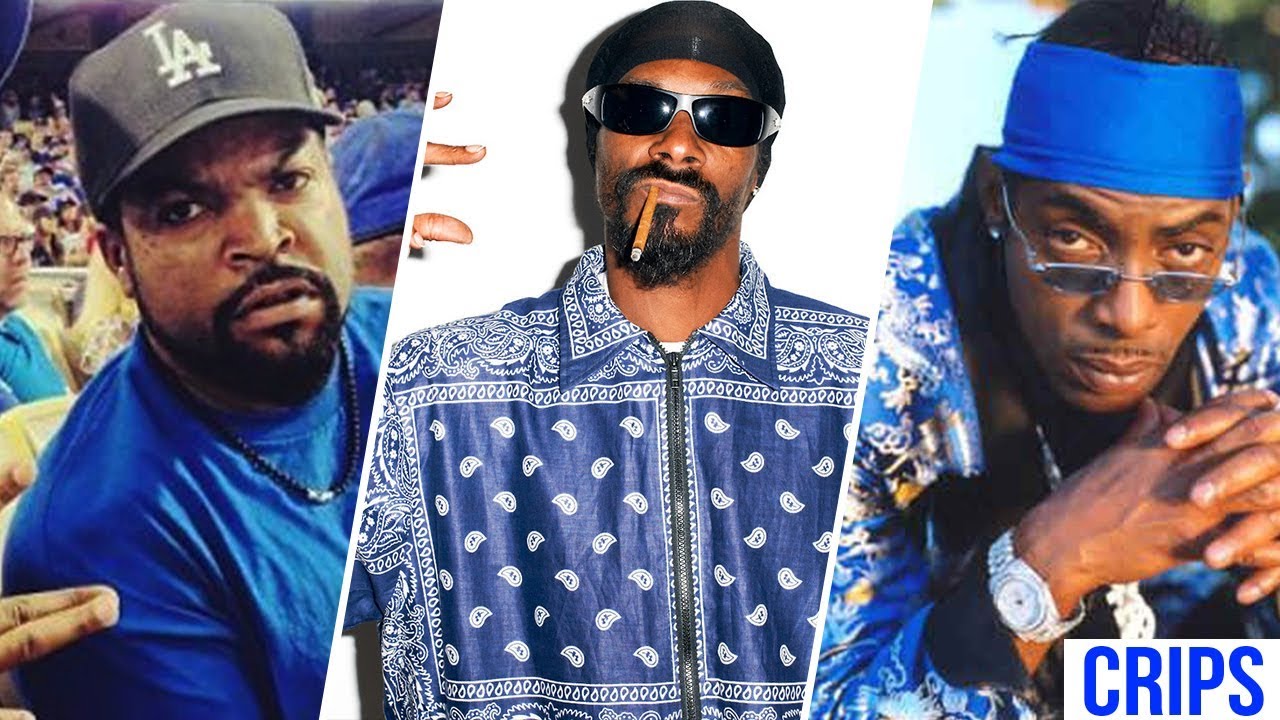
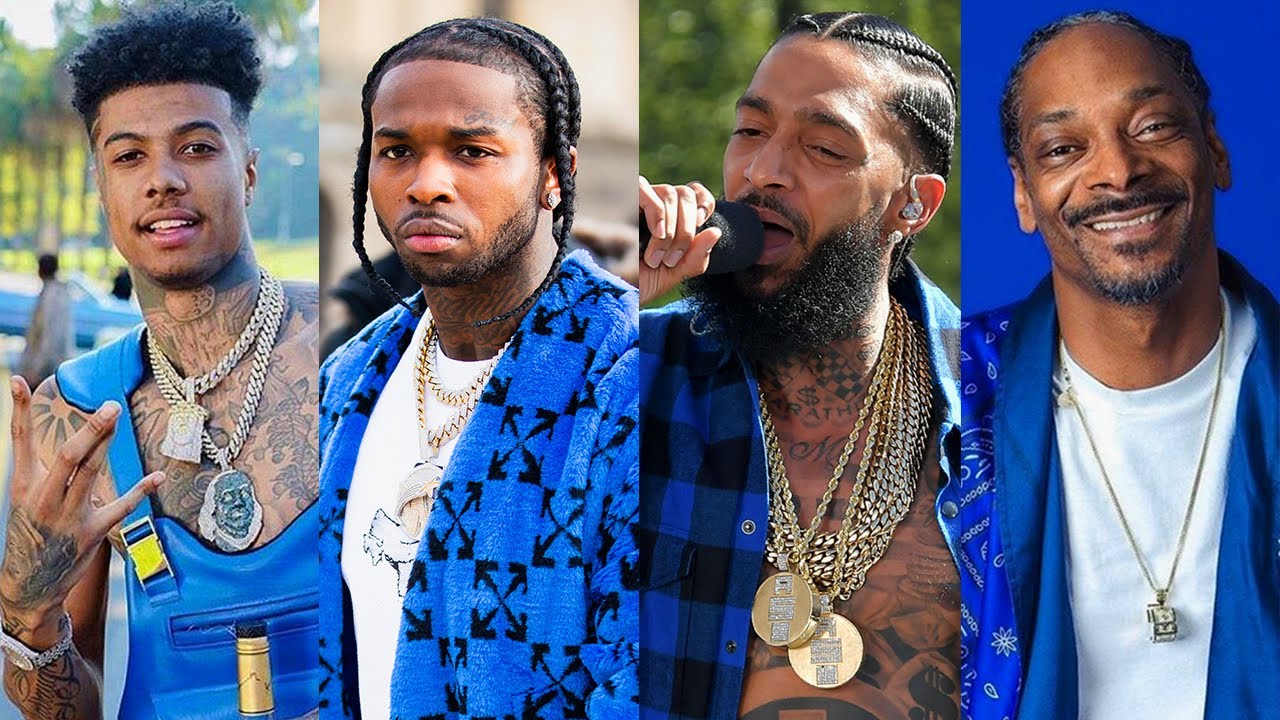
This term denotes hip-hop artists who publicly align with or are associated with the Crip gang. Such identification frequently informs their musical output, lyrical narratives, and public persona. The content of their work often reflects the realities of street life, community dynamics, and personal experiences within environments linked to this specific gang affiliation. These individuals leverage their art as a medium to express their lived perspectives and share stories stemming from their unique socio-cultural context.
The significance of these artists stems from their provision of an authentic voice and unique perspective from a specific socio-economic and cultural milieu. Their music frequently functions as a powerful form of storytelling, offering unfiltered narratives about systemic challenges, poverty, urban violence, and survival. Historically, this artistic expression gained prominence within West Coast hip-hop, particularly during the late 1980s and 1990s, coinciding with the rise of gangsta rap. It reflects the socio-political conditions and gang dynamics prevalent in regions like Los Angeles at that time, contributing significantly to the thematic depth and cultural impact of hip-hop.
A thorough understanding of these musical contributions is essential for a comprehensive appreciation of hip-hop's broader evolution, its profound socio-cultural impact, and ongoing discussions surrounding identity, authenticity, and representation within contemporary music. Further exploration can delve into the specific lyrical themes employed, their influence on various subgenres, their ties to community activism or engagement, and the complex controversies that often accompany such expressions.
1. Gang Affiliation Impact
The impact of gang affiliation profoundly shapes the artistic output and public identity of artists associated with this subculture. This connection directly influences lyrical content, thematic choices, and the overall narrative presented in their music. Gang affiliation often serves as a primary wellspring for subject matter, encompassing themes of street life, survival, loyalty, territorialism, socio-economic hardship, and conflict. The experiences derived from such associations provide a distinct framework through which societal issues, personal struggles, and community dynamics are articulated. This direct experience lends a perceived authenticity and gravitas to the music, making the affiliation not merely a biographical detail but a foundational element of the artistic persona and message.
Furthermore, this connection establishes a specific lens through which the art is created and consumed. For many, the music functions as a raw, unfiltered documentary of life within marginalized urban environments, offering perspectives often absent from mainstream discourse. The historical development of West Coast hip-hop, particularly the emergence of gangsta rap, is intricately linked to these affiliations, as artists used their platforms to convey the realities of their surroundings. Understanding this deep-seated connection is critical for interpreting the social commentary embedded in the lyrics, recognizing the cultural significance of the narratives, and appreciating the role of music as a vehicle for community expression and protest. The artistic output, therefore, becomes a direct reflection of a specific social and political landscape.
In conclusion, gang affiliation acts as a defining characteristic for these artists, fundamentally influencing their thematic depth and credibility within their respective musical domains. While it imbues their work with a powerful sense of realism and a unique narrative voice, it also introduces complexities, including debates surrounding the potential glorification of violence or the perpetuation of stereotypes. A comprehensive analysis of this musical phenomenon necessitates a nuanced understanding of how gang affiliations serve as both an inspiration and a challenge, underscoring the intricate relationship between an artist's lived experience, their creative expression, and their broader socio-cultural impact.
2. Lyrical Themes Explored
The lyrical content crafted by artists associated with the Crip subculture forms the core of their artistic expression, providing an unvarnished window into their lived realities and perspectives. These themes are not merely artistic choices but are deeply rooted in personal experiences, social observations, and the cultural landscape they inhabit. Examination of these themes is crucial for understanding the depth, authenticity, and socio-political commentary embedded within their musical output, serving as a powerful narrative medium for a specific segment of society.
- Street Life and Authenticity
A predominant theme involves the detailed depiction of daily life within urban environments, particularly those impacted by gang activity. Lyrics often paint vivid pictures of the challenges, dangers, and routines of street existence, emphasizing authenticity and firsthand experience. This includes narratives of navigating territorial boundaries, encounters with law enforcement, community dynamics, and the pursuit of respect or survival. The credibility derived from these detailed accounts serves to solidify an artist's standing and resonance with audiences who share or understand similar realities, making the music a direct reflection of their environment.
- Survival, Loyalty, and Betrayal
Central to many narratives are the concepts of survival in hostile environments, the paramount importance of loyalty to one's associates or "set," and the devastating consequences of betrayal. Lyrics frequently explore the mental and emotional fortitude required to endure systemic pressures and personal threats. The bonds of loyalty are often glorified as essential for protection and collective strength, while instances of betrayal are depicted with stark realism, highlighting the profound impact on trust and relationships within these tight-knit communities. These themes underscore the complex moral codes and relational dynamics prevalent in their social circles.
- Socio-Economic Commentary and Resistance
Beyond personal anecdotes, many lyrical compositions delve into broader socio-economic issues, offering trenchant critiques of systemic inequality, poverty, lack of opportunity, and institutionalized oppression. Artists often use their platform to articulate grievances against police brutality, racial profiling, and the perceived failures of government to address urban decay. This commentary can manifest as outright defiance and resistance, presenting a powerful counter-narrative to mainstream perspectives and advocating for recognition and change within their communities. Their music frequently functions as a form of social protest.
- Identity and Self-Definition
Lyrical themes also frequently address the construction and assertion of identity within a challenging social context. Artists use their music to define who they are, how they perceive themselves, and how they wish to be perceived by others. This often involves challenging stereotypes, reclaiming derogatory terms, and celebrating aspects of their cultural heritage or affiliation. The lyrics become a means of self-empowerment and self-representation, articulating a sense of pride and belonging despite external marginalization or societal judgment. This quest for self-definition is a powerful undercurrent in their creative output.
These lyrical explorations collectively create a rich tapestry of narratives that go beyond mere entertainment, serving as a significant cultural artifact. They provide critical insights into the complex interplay of individual experience and broader societal forces, illuminating the enduring impact of environment, social structures, and personal choice on the lives of these artists. The consistent focus on these thematic elements reinforces the deep connection between an artist's background and their creative expression, offering valuable perspectives on resilience, community, and the human condition within specific urban contexts.
3. Cultural Representation Voice
The concept of a "Cultural Representation Voice" refers to the capacity of artists to articulate, define, and disseminate the experiences, perspectives, and identity of a specific cultural or social group. Within the context of artists identifying with the Crip subculture, this voice becomes profoundly significant, offering a direct and often unfiltered portrayal of life within marginalized urban communities. These musicians frequently serve as de facto spokespersons, using their platforms to shape perceptions, challenge stereotypes, and affirm identity in ways that mainstream media often fails to capture, thereby playing a crucial role in cultural discourse and self-definition.
- Unfiltered Narratives of Lived Experience
Artists associated with this subculture frequently draw directly from their personal histories and observations within their communities. This direct connection to the subject matter imbues their music with an authenticity that resonates deeply with audiences familiar with similar environments. The lyrics are not speculative but rather reports from the ground, detailing the complexities of survival, loyalty, and conflict. This approach positions their artistic output as a primary source for understanding the nuances of a specific cultural reality, validating the experiences of those who live it and providing an inside perspective rarely afforded by external accounts.
- Countering Dominant Narratives
Mainstream media often presents one-dimensional or sensationalized depictions of gang life, frequently reinforcing negative stereotypes. Artists identifying with the Crip subculture, through their music, offer a potent counter-narrative. They reveal the human elements, the underlying socio-economic factors, the internal moral codes, and the moments of resilience that are often overlooked. This artistic challenge to conventional portrayals provides a more complex and humanized understanding, compelling audiences to reconsider simplistic judgments and engage with the multifaceted nature of these communities, thereby broadening societal perspectives.
- Affirmation of Group Identity and Pride
The music produced by these artists often functions as a powerful tool for identity affirmation and community empowerment. By openly acknowledging their affiliations and incorporating specific symbols, slang, and shared experiences into their art, they foster a sense of belonging and collective pride among those within or connected to the subculture. This musical expression can serve as a rallying point, solidifying group identity and providing a sense of validation for individuals whose experiences might otherwise feel unacknowledged or marginalized by broader society. It creates a space for shared cultural recognition and solidarity, reinforcing a distinct identity.
- Archiving Urban Socio-Political Conditions
Beyond personal expression, the lyrical content of these artists often acts as an informal historical archive, documenting the socio-political conditions of their time and place. Their songs detail systemic issues such as poverty, police misconduct, limited educational opportunities, and inadequate public services. This artistic documentation provides critical insights into the environmental factors shaping their lives and communities. It serves as a vital record, offering raw, unedited perspectives on urban challenges and the ongoing struggle for social justice, thereby contributing to a broader understanding of contemporary social history from a uniquely situated perspective.
These facets collectively underscore the profound role of artists aligned with the Crip subculture as significant cultural voices. Their artistic contributions extend beyond mere entertainment, functioning as essential platforms for self-representation, social commentary, and the preservation of specific cultural narratives. By exploring their music, one gains invaluable insight into the complexities of urban life, identity formation, and the ongoing dialogue between marginalized communities and broader society, reinforcing the critical function of art in shaping cultural understanding and challenging established perceptions.
4. West Coast Hip-Hop Roots
The intricate relationship between West Coast hip-hop's foundational period and the emergence of artists identifying with the Crip subculture represents a pivotal chapter in music history. This connection provided a crucial platform for specific narratives to gain prominence, deeply influencing the genre's thematic content, sonic identity, and cultural impact. The rise of gangsta rap, originating predominantly from Southern California, created an environment uniquely receptive to the raw, unfiltered experiences articulated by artists directly connected to gang life, thereby intertwining the musical movement with distinct social realities.
- Emergence of Gangsta Rap and Authenticity
The late 1980s and early 1990s witnessed the ascendance of gangsta rap, a subgenre prioritizing gritty, authentic depictions of urban street life. This stylistic shift from earlier hip-hop forms fostered a demand for narratives rooted in verifiable experience. Artists associated with Crip subculture capitalized on this burgeoning genre by offering firsthand accounts of their environments, lending an unparalleled sense of authenticity to their musical output. Groups and individuals who openly acknowledged their gang ties delivered lyrics that resonated as genuine reports from the ground, significantly shaping the public's perception of "keeping it real" within hip-hop.
- Geographical and Socio-Political Context
The geographical heartland of West Coast hip-hopparticularly cities like Los Angeles, Compton, and Long Beachalso served as major centers for Crip gang activity. This shared spatial reality meant that the social and political dynamics impacting gang-affiliated communities directly informed the artistic expressions emanating from the region. The music became an audio documentary of the specific struggles, rivalries, and systemic issues prevalent in these urban landscapes. The intertwined destinies of these communities and the evolving hip-hop scene created a rich, often turbulent, tapestry of cultural production.
- Thematic Congruence and Narrative Reinforcement
The core lyrical themes prevalent in early West Coast gangsta rapsuch as police brutality, socio-economic disenfranchisement, territorial conflicts, and the pursuit of respectdirectly mirrored the lived experiences of individuals within Crip-affiliated communities. This thematic congruence created a powerful feedback loop: the music articulated the realities of gang life, and gang life, in turn, provided an endless wellspring of material for the music. This symbiotic relationship solidified the narrative framework for many artists, allowing them to communicate complex social commentaries and personal stories with profound resonance.
- Stylistic Influence and Sonic Identity
The distinctive sonic signature of West Coast hip-hop, particularly the G-funk sound pioneered by producers like Dr. Dre, provided the perfect auditory backdrop for these narratives. The laid-back yet ominous grooves, characterized by soulful samples, synthesizers, and heavy basslines, complemented the often stark and gritty lyrical content. This unique sound became synonymous with the region's hip-hop identity, amplifying the stories told by artists associated with the Crip subculture and making their messages globally recognizable. The specific musical aesthetic thus became intrinsically linked to the cultural and social context from which it emerged.
In summation, West Coast hip-hop's foundational era provided the essential cultural, thematic, and sonic infrastructure that enabled artists identifying with the Crip subculture to emerge as significant voices. This period allowed their experiences to be translated into a powerful art form, influencing the genre's trajectory and offering invaluable insights into urban American life. The indelible mark left by these artists underscores the profound capacity of music to reflect, interpret, and shape the social narratives of its time, cementing their legacy within the broader cultural landscape of hip-hop.
5. Controversy and Authenticity
The intricate relationship between controversy and authenticity forms a foundational pillar in understanding artists identifying with the Crip subculture. Authenticity, often rooted in direct lived experience and an unvarnished portrayal of urban realities, is a highly valued commodity within this artistic domain. It serves as the primary source of credibility, connecting artists to their audience through shared or understood experiences. However, the very act of articulating these genuine experiences, particularly those involving themes of violence, systemic injustice, drug use, or anti-establishment sentiments, invariably generates significant public controversy. This dynamic creates a paradoxical scenario where the elements crucial for establishing an artist's street credibility and cultural resonance are precisely those that incite moral outrage, media scrutiny, and widespread public debate. The pursuit of unfiltered truth, a hallmark of authenticity, thus becomes an inherent catalyst for contention, continually shaping the reception and interpretation of their work.
The practical significance of this interplay is profound for both the artists and cultural analysts. For the artists, maintaining perceived authenticity often necessitates adherence to a narrative that reflects the complex and frequently challenging realities of their environment, even if these depictions are unsettling to broader society. Deviating from this perceived truth risks accusations of "selling out" or losing touch with their roots, which can diminish their standing within their core audience. Conversely, the controversy their work generateswhether concerning lyrical content, imagery, or public personacan inadvertently amplify their voice, drawing attention to the very issues they aim to address. Cultural critics often interpret these controversies not merely as sensationalism but as a reaction to uncomfortable truths presented by marginalized voices. Debates surrounding whether an artist is glorifying violence versus merely documenting it become central to understanding the societal discomfort with certain forms of artistic expression, revealing underlying tensions in how authenticity from specific cultural contexts is consumed and judged.
In conclusion, the tension between controversy and authenticity is an indelible characteristic of this artistic niche, acting as both a challenge and a defining feature. It underscores the constant negotiation between artistic integrity, audience expectation, and societal critique that these artists face. A comprehensive understanding of their cultural impact requires moving beyond simplistic judgments, recognizing that the very aspects provoking debate often authenticate their narratives for a specific community. This dynamic also links to broader discussions concerning artistic freedom, the responsibilities of cultural representation, and the enduring power of art to reflect and challenge prevailing social norms, ultimately cementing the complex legacy of these artists within the larger hip-hop narrative.
Conclusion
The preceding exploration of artists identifying with the Crip subculture has elucidated the multifaceted nature of their artistic output and its profound impact on hip-hop. It has been established that their affiliation profoundly shapes lyrical narratives, providing an authentic voice for urban realities rooted in direct lived experience. Thematic content consistently navigates complex issues such as survival, loyalty, socio-economic critique, and the assertion of identity, positioning these artists as significant cultural representatives, particularly within the West Coast hip-hop tradition. Furthermore, their creative expressions are consistently situated within a dynamic interplay between perceived authenticity, which grants them credibility, and the public controversies often generated by their stark portrayals of life within marginalized communities.
Therefore, a comprehensive understanding of this artistic domain necessitates a critical and nuanced approach, transcending simplistic interpretations. The enduring significance of these musical contributions lies in their capacity to serve as vital social documents, offering unfiltered perspectives on urban realities and systemic challenges often overlooked in mainstream discourse. Continued intellectual engagement with such culturally resonant expressions is imperative for fostering deeper insights into societal complexities, the transformative power of art, and the intricate relationship between lived experience and creative representation. Recognizing the value in these perspectives contributes to a more informed and empathetic societal dialogue.