Editorial Note: This article is written based on topic research and editorial review.
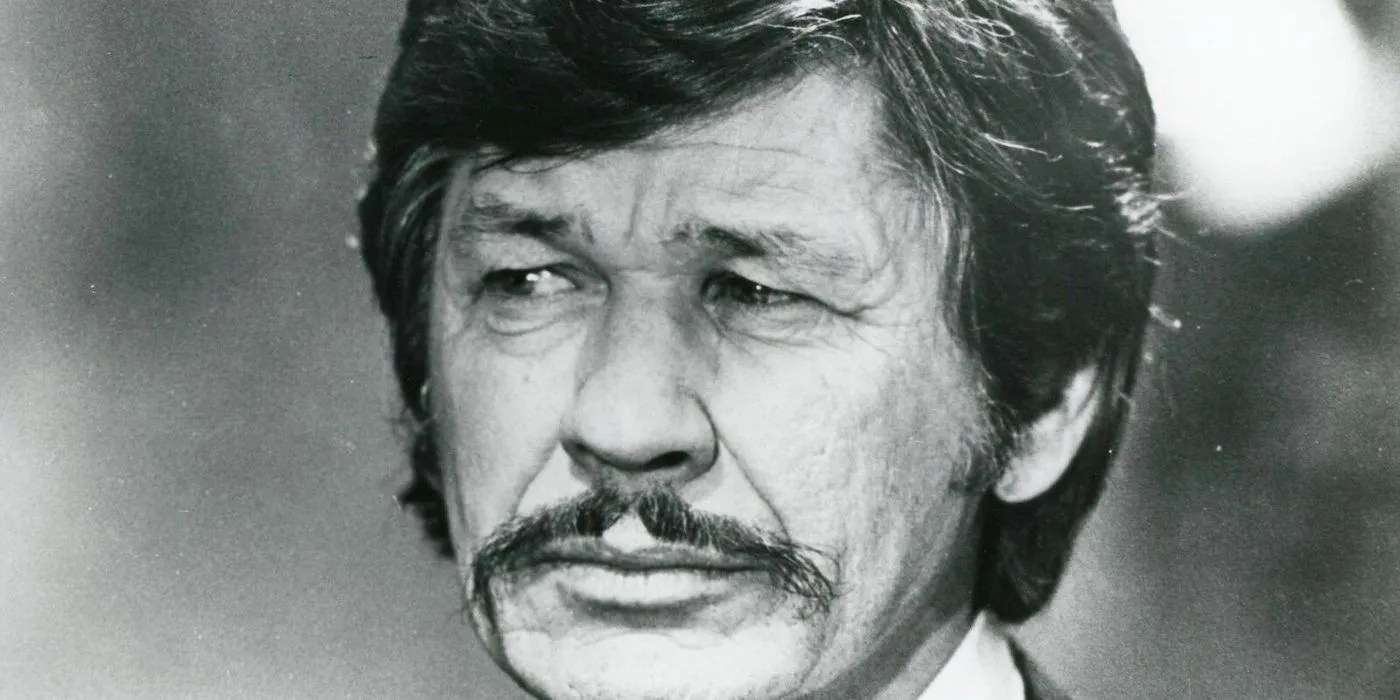
The phrase in question refers to the conclusive photographic representation of Charles Bronson. This particular visual document typically captures an individual in their later stages of life, often shortly before their demise. For a figure of public renown, such an image offers a singular, and at times somber, insight into their personal condition, often contrasting sharply with their more vigorous iconic roles or earlier public appearances. It stands as a final visual declaration, encapsulating the culmination of a significant life.
The intrinsic value of this kind of visual record is multifaceted. It serves as an irreplaceable historical artifact, contributing to a more complete and nuanced public narrative of a celebrated individual. For biographers, historians, and admirers, this ultimate depiction offers a crucial piece of the puzzle, fostering a deeper comprehension of the individual's journey beyond their professional accomplishments. It underscores the universal progression of life and the human experience, even for those who epitomized power and endurance throughout their careers, prompting contemplation on mortality and legacy.
Examining the context and implications surrounding this type of conclusive personal imagery is essential for discussions concerning celebrity legacies, the dynamic interplay between public and private personas, and the ethical considerations pertinent to documenting the final periods of prominent individuals. This exploration lays the foundation for a more extensive analysis of how society perpetuates the memory of its icons and the pivotal role visual media assumes in shaping these enduring public perceptions.
1. Final visual documentation
The concept of "final visual documentation" represents the conclusive photographic record of an individual's life, typically captured during their ultimate stages. In the context of "charles bronson last photo," this connection is direct and fundamental: the image itself constitutes a prime example of such documentation. The profound importance of this lies in its capacity to provide a definitive visual closure to a public life, offering an unvarnished glimpse into the physical state of a prominent figure at a point near their demise. For Charles Bronson, a public figure known for his formidable screen presence and resilient demeanor, this final portrayal serves as a stark counterpoint to his established persona, humanizing the icon by depicting the universal process of aging and mortality. This understanding is crucial for comprehensive biographical studies and the nuanced interpretation of celebrity legacies, moving beyond a singular, career-defining image to encompass the full arc of a life.
Further analysis reveals that such a document transcends mere personal record, becoming a significant cultural artifact. It invites contemplation on themes of transformation, vulnerability, and the passage of time, themes particularly salient when applied to an individual who embodied strength and endurance throughout his career. Practical applications of this understanding extend to the preservation of historical integrity, where an authentic final image contributes to a more complete and honest public narrative. It informs the ethical considerations for media outlets and biographers regarding the respectful and responsible portrayal of public figures in their later, often more vulnerable, years. The existence of a definitive final image prompts a re-evaluation of how public memory is constructed and maintained, emphasizing the multifaceted nature of identity beyond professional accomplishments.
In summary, the intrinsic connection between "Final visual documentation" and the specific depiction of Charles Bronson underscores the vital role such imagery plays in shaping and completing a public figure's historical record. Challenges inherent in this include the responsibility of ensuring authenticity, respecting privacy, and avoiding sensationalism, while simultaneously acknowledging the legitimate public interest in understanding the full scope of a celebrated life. Ultimately, this connection illuminates the broader theme of how society grapples with the mortality of its icons, offering a powerful, often poignant, testament to the shared human experience of aging and the finite nature of life.
2. Historical public record
The depiction of Charles Bronson's final photograph transcends a mere personal snapshot; it assumes the status of a "Historical public record." This designation signifies its integration into the documented history of a prominent figure, becoming an official or widely recognized piece of information that contributes to the collective memory and factual understanding of his life. As such, it is subject to the same standards of preservation, authenticity, and interpretation as other significant historical artifacts, serving as an irreplaceable piece of evidence in the narrative of his public and personal existence.
- Archival Significance
The archival significance of such an image lies in its potential for long-term preservation within institutions dedicated to historical documentation, such as national archives, specialized media libraries, or private collections designated for public access. These repositories ensure the image's longevity and accessibility for future generations, allowing researchers, biographers, and the public to consult it as a primary source. In the context of Charles Bronson's concluding image, its presence in such archives solidifies its role as a factual component of his biography, preventing its disappearance or distortion over time and contributing to a more complete and verified historical account of his public life and eventual passing.
- Biographical Data Point
As a biographical data point, the photograph provides concrete visual evidence regarding Charles Bronson's state at a specific juncture, typically his later years or final period. This factual information contributes to a more nuanced and comprehensive understanding of his life story, moving beyond his professional roles to encompass the universal experience of aging. It can offer insights into his physical condition, environment, or the circumstances surrounding his last documented public or private appearance, thereby enriching biographical narratives and offering a humanizing perspective often overlooked in career-focused accounts. The image becomes a timestamp, anchoring specific events or conditions in his timeline.
- Shaping Public Memory and Legacy
The integration of the photograph into the historical public record directly influences the collective memory and enduring legacy of Charles Bronson. Public records, especially visual ones, play a crucial role in how a figure is remembered by current and future generations. This particular image can become emblematic of his later years, offering a stark contrast to his iconic, vigorous screen persona. It informs retrospective analyses, documentaries, and historical articles, shaping perceptions of his resilience, vulnerability, and the eventual conclusion of his remarkable life, thereby completing the narrative arc and adding depth to his overall historical presence.
- Authenticity and Verification Requirements
For any item to be considered a reliable historical public record, its authenticity and verifiability are paramount. This involves establishing the photograph's provenance, including the date it was taken, the photographer, the context of its capture, and its initial publication history. Strict adherence to these verification standards ensures that the image is a genuine representation and not subject to manipulation or misattribution. For the final image of Charles Bronson, confirming these details is crucial to its integrity as a historical document, safeguarding against misinformation and allowing for accurate interpretation of its significance within his documented life.
These facets collectively establish that the specific photograph under consideration is not merely an image, but a pivotal component within the broader historical public record of Charles Bronson. Its existence, preservation, verification, and interpretation are vital for constructing an accurate, comprehensive, and enduring understanding of his legacy, ensuring that the final chapter of his life is documented with integrity and contributes meaningfully to historical discourse.
3. Legacy impact assessment
The connection between "Legacy impact assessment" and the final photographic depiction of Charles Bronson is profound and direct, establishing a crucial relationship where the visual artifact significantly influences the retrospective evaluation of his public and personal impact. A legacy impact assessment involves the systematic process of evaluating the enduring influence, meaning, and significance an individual leaves behind, encompassing their professional achievements, personal character, and the public perception shaped throughout their life and beyond. In this context, the specific image of Charles Bronson, understood as his concluding photograph, serves as a potent and often definitive component within this assessment. It acts as a final visual statement, capable of reinforcing, altering, or completing the established narrative of his life. For an actor known for his stoic, rugged, and enduring screen persona, a final image can introduce elements of vulnerability, age, or reflection that were largely absent from his iconic roles. This contrast causes a re-evaluation, prompting observers to consider the full arc of his life from a different perspective, thus directly impacting how his overall legacy is perceived and documented.
Further analysis reveals that the utility of such an image in a legacy impact assessment extends to several critical areas. It offers biographers and historians a pivotal data point, anchoring the narrative of his later years and providing visual evidence that complements written accounts. This visual evidence can elicit a strong emotional response, fostering empathy and humanizing an often-larger-than-life figure, thereby enriching the public's understanding of his journey. Practically, understanding the impact of this final image is crucial for media outlets and institutions responsible for commemorating public figures. It guides decisions on how to respectfully and accurately represent the entirety of a person's life, ensuring that the legacy is not solely defined by their professional peak but also acknowledges their complete human experience. For instance, if the image portrays dignity in decline, it might underscore themes of resilience or quiet strength, thereby subtly shifting the focus of the legacy from pure physical prowess to enduring character.
In conclusion, the "Legacy impact assessment" fundamentally relies on artifacts such as the final photographic depiction of Charles Bronson to construct a comprehensive and nuanced historical record. The image's capacity to evoke empathy, introduce new dimensions to an established persona, and provide visual closure makes it an indispensable element in understanding how his legacy is formed and perpetuated. Challenges in this assessment include ensuring the authenticity and respectful contextualization of the image to prevent misinterpretation or sensationalism. Ultimately, the integration of this final visual documentation into a broader legacy assessment highlights the power of visual media to shape enduring public memory, contributing to a more complete, truthful, and human portrayal of iconic figures in history.
4. Circumstances of capture
The "Circumstances of capture" refers to the specific conditions, context, and immediate events surrounding the creation of a photograph. For an image identified as "charles bronson last photo," this connection is profoundly significant, as these circumstances fundamentally shape its meaning, authenticity, and ethical standing. The manner in which the photograph was takenwhether it was a planned portrait session, a candid moment captured by a family member, or an intrusive paparazzi shotdirectly influences its interpretation and historical value. For instance, an image taken with the subject's knowledge and consent carries a different weight than one obtained surreptitiously. These causative factors dictate public perception, influence media reporting, and establish the parameters for its inclusion within biographical narratives. Understanding these underlying conditions is not merely anecdotal; it is a critical component for historians and biographers seeking to present a complete and accurate account of a public figure's final period, ensuring that the image is contextualized rather than sensationalized.
Further analysis of the capture circumstances involves scrutinizing several key aspects. The location of the photograph (e.g., a private residence, a medical facility, or a public event) provides crucial environmental context, potentially revealing insights into the individual's health or personal situation. The timing relative to the individual's demise is also paramount; an image taken days before a passing conveys a different sense of immediacy and finality than one from weeks or months prior. Furthermore, the identity and intent of the photographer play a vital role. A professional photographer commissioned for a farewell piece operates under different ethical guidelines than a photojournalist documenting a public appearance, or a private individual sharing an intimate moment. Each scenario contributes distinctly to the narrative surrounding the image, affecting its reception and historical application. The practical significance of this detailed understanding extends to institutions tasked with archiving and presenting such materials, guiding decisions on appropriate display, accompanying captions, and the ethical responsibilities inherent in managing sensitive visual history.
In conclusion, the "Circumstances of capture" are not merely peripheral details but are integral to the comprehension and ethical stewardship of "charles bronson last photo." Challenges arise in verifying these circumstances, particularly if the image originated from a private setting or lacked clear documentation, necessitating rigorous authentication processes. The tension between public interest in a celebrated figure's final moments and the imperative for dignity and privacy often converges at this point of capture. Ultimately, a thorough understanding of these circumstances ensures that the photograph serves as a legitimate historical document, contributing to a nuanced and respectful portrayal of a significant life, rather than becoming a source of speculation or exploitation. It underscores the broader theme that context is paramount in interpreting visual information, especially when it pertains to the closing chapter of a public life.
5. Public perception influence
The concept of "Public perception influence" refers to the pervasive effect that information, experiences, and visual stimuli have on how an individual or entity is collectively understood and interpreted by the general populace. For the specific depiction widely recognized as the final photograph of Charles Bronson, this connection is fundamental and operates as a powerful mechanism for shaping historical understanding and legacy. The image, by its very nature, serves as a significant visual data point that can dramatically alter or reinforce existing public narratives about the actor. For a figure predominantly known for his rugged, unyielding cinematic persona, a concluding photograph that reveals vulnerability, advanced age, or diminished physical prowess can profoundly impact the collective memory. It forces a re-evaluation, introducing a humanizing element that transcends the iconic, often immutable, screen image, thereby influencing how his entire life and career are ultimately perceived.
The mechanisms through which this influence operates are multifaceted. Such a photograph often elicits strong emotional responses, ranging from empathy and nostalgia to a somber reflection on mortality, which directly feeds into public sentiment. The contrast between the vigorous public image maintained for decades and a final, often more fragile, depiction creates a cognitive shift, encouraging a more holistic and less idealized view of the individual. This shift is crucial for biographers and historians, as it compels a nuanced interpretation of a celebrity's life arc, moving beyond their peak professional accomplishments to encompass their complete human experience. Practically, understanding this influence is vital for media outlets in their retrospective reporting and for institutions involved in the respectful commemoration of public figures. It guides the responsible contextualization of sensitive imagery, ensuring that public perception is informed by a comprehensive and dignified narrative rather than sensationalism, thus impacting how legacy narratives are constructed and disseminated to a broad audience.
In summary, the "Public perception influence" exerted by the conclusive photograph of Charles Bronson is a critical factor in determining the enduring shape of his legacy. Challenges in managing this influence include the potential for misinterpretation without proper context, the ethical considerations of privacy versus public interest in a prominent figure's final moments, and the media's responsibility to portray such images respectfully. Ultimately, this interaction underscores the profound power of visual media to mold collective memory, humanize icons, and contribute to a more comprehensive historical understanding of celebrated lives, confirming that even a single photograph can significantly redefine an individual's place in public consciousness and historical discourse.
6. Authenticity and verification
The crucial importance of "Authenticity and verification" in relation to any image identified as "charles bronson last photo" cannot be overstated. For a visual document purporting to be the final public or private depiction of a celebrated figure, its reliability and truthfulness are paramount. Without rigorous authentication, such an image risks contributing to misinformation, distorting historical narratives, and undermining public trust. The process of verification ensures that the photograph genuinely represents Charles Bronson, was captured at the claimed time, and has not been subjected to manipulation, thereby safeguarding its integrity as a legitimate historical artifact and a cornerstone for accurate biographical understanding.
- Provenance and Chain of Custody
This facet involves tracing the complete history of the photograph from its point of creation to its current presentation. Establishing provenance means identifying the photographer, the date and location of capture, and the subsequent path of ownership and publication. For an image presented as Charles Bronson's final photograph, confirming its original sourcewhether a professional photographer, a family member, or a media agencyis essential. An unbroken chain of custody, documenting each transfer and publication, helps to confirm its authenticity. Discrepancies or gaps in this chain can cast doubt on the image's legitimacy, necessitating further investigation to ascertain its true origin and ensure it accurately reflects a late-life representation.
- Metadata and Digital Forensics
In the digital age, examining metadata embedded within an image file is a critical component of verification. This includes EXIF data (Exchangeable Image File Format) which can contain details such as the camera model, date and time of capture, and even GPS coordinates. Digital forensics techniques can also detect signs of manipulation, such as evidence of editing, compositing, or alterations to pixels. For the photograph of Charles Bronson, analyzing this digital footprint is indispensable for confirming the precise timing of its capture relative to his passing and for ensuring that the image has not been digitally enhanced or fabricated to alter its appearance, thus preserving the factual integrity of his final visual record.
- Corroboration with External Sources
Verification extends beyond the image itself to its alignment with other established facts and external records. This involves cross-referencing the photograph with known biographical information, medical records (if accessible and relevant to public knowledge), contemporary accounts from individuals who knew Bronson, or other documented public appearances from the period. For instance, if the image depicts him in a specific setting or with certain physical attributes, these details should ideally correlate with other verifiable information about his health, residence, or activities during his final years. Strong corroboration from multiple, independent sources significantly bolsters the credibility of the photograph as an authentic representation.
- Contextual Validation and Ethical Scrutiny
This aspect focuses on validating the context in which the photograph was taken and assessing the ethical implications surrounding its capture and dissemination. It considers whether the circumstances of capture align with the claim of it being a "last photo." For example, was it taken with consent during a private moment, or was it an unauthorized, intrusive capture? While not directly pertaining to the image's inherent authenticity, the ethical framework surrounding its creation and release impacts its acceptance as a respectful and legitimate historical document. Understanding these circumstances helps prevent the image from being exploited or misinterpreted, ensuring its use contributes to a dignified understanding of Charles Bronson's final chapter rather than sensationalism.
These rigorous processes of authenticity and verification are indispensable for establishing the definitive historical value of "charles bronson last photo." By meticulously examining provenance, metadata, corroborating with external data, and applying ethical scrutiny, its credibility as a genuine representation of his final period can be confirmed. This robust verification safeguards against misinformation, ensuring that the image serves as an accurate and respectful component of his legacy, rather than a speculative artifact, thereby contributing truthfully to the public and historical record of a significant life.
Conclusion
The comprehensive exploration of the term "charles bronson last photo" reveals its multifaceted significance as a pivotal visual artifact. This image functions as crucial final visual documentation, providing an unparalleled glimpse into the concluding chapter of a celebrated life. It holds substantial weight as a historical public record, necessitating stringent demands for authenticity and verification to ensure its integrity. Furthermore, the circumstances surrounding its capture profoundly influence its ethical standing and contextual interpretation, while its content directly shapes public perception and the actor's enduring legacy. These elements collectively underscore the image's role beyond mere depiction, establishing it as a complex historical document.
The persistent engagement with such definitive visual records, exemplified by "charles bronson last photo," necessitates an unwavering commitment to intellectual rigor and ethical responsibility. These images compel a deeper understanding of the human experience, transcending iconic portrayals to reveal the universal arc of life, age, and mortality. Their careful study and respectful dissemination remain essential for constructing accurate, nuanced, and dignified historical narratives, ensuring that the full measure of an individual's impact and humanity is preserved for posterity. The ongoing discourse surrounding such sensitive visual history reinforces its enduring power in shaping collective memory and informing future generations.