Editorial Note: This article is written based on topic research and editorial review.
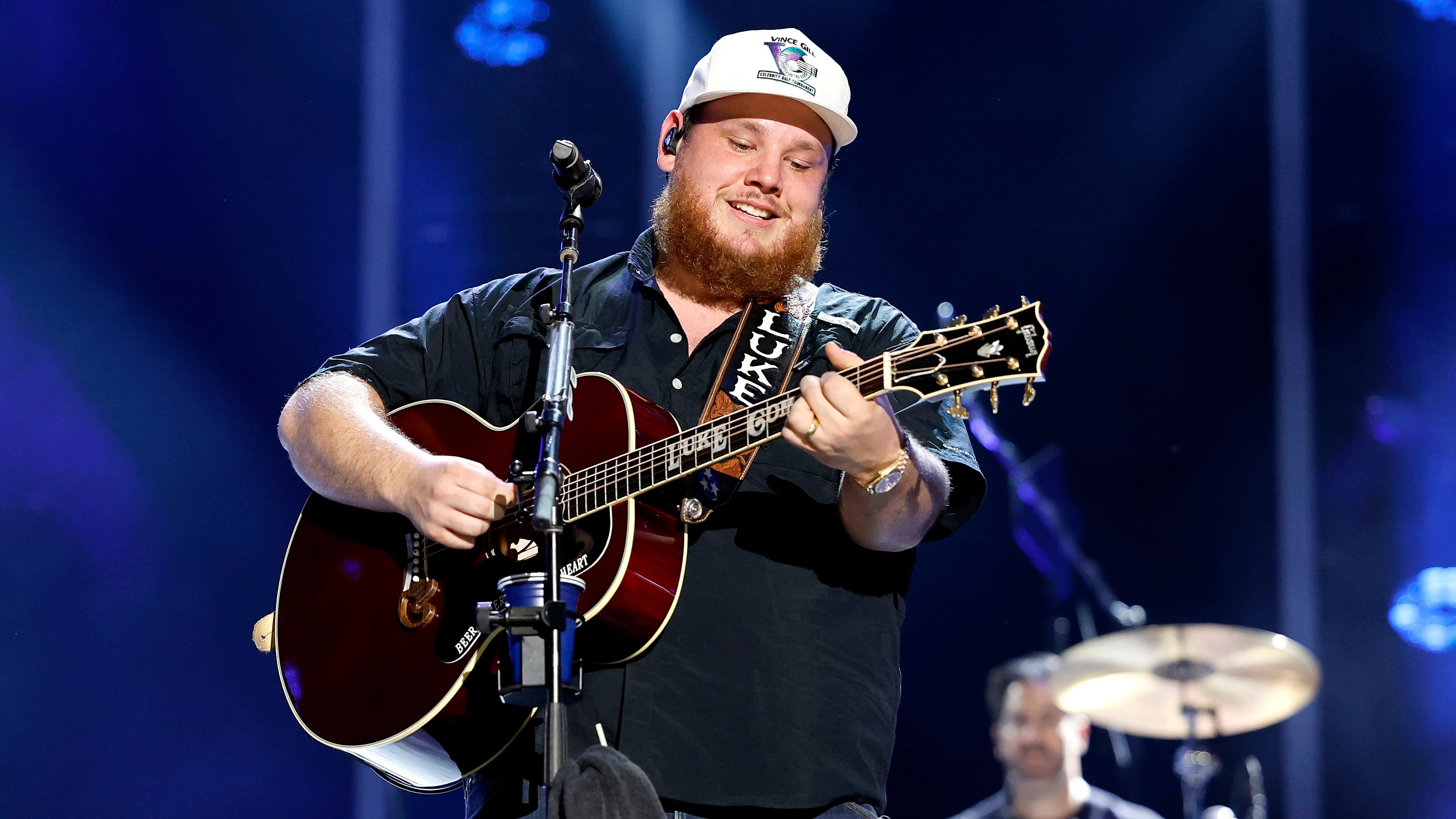
This phrase denotes a focused investigation into the political perspectives, public statements, and the broader societal impact of prominent country music artist Luke Combs. It encompasses an examination of any publicly expressed political inclinations, endorsements, or stances on contemporary issues, alongside an assessment of the potential influence such views might exert on his audience, the country music genre, or wider cultural discourse. For instance, an analysis under this umbrella could delve into the artist's comments on social policies, economic matters, or cultural debates, evaluating the context and reception of these statements within various demographics.
Understanding the political dimensions of influential cultural figures like Combs provides crucial insights into the intricate intersection of entertainment and public opinion. Such exploration helps to chart the evolving political landscape within specific cultural sectors, notably country music, and reveals how artists navigate or, conversely, influence societal discussions. It illuminates the dynamics between artists and their fan bases, the role of celebrity in shaping political discourse, and the commercial implications of political engagement. Historically, musicians have frequently served as both catalysts and reflections of social and political change; therefore, examining the positions of contemporary artists remains particularly pertinent for comprehending current cultural trends and their potential trajectories.
This comprehensive inquiry establishes the foundational premise for a detailed article. Subsequent sections would typically proceed to dissect specific instances of political expression, analyze fan reactions across diverse demographics, discuss the broader implications for the country music industry, and compare the artist's approach to that of other public figures. The overarching objective is to provide an objective, multifaceted understanding of this significant cultural intersection.
Conclusion
The extensive exploration of "luke combs politics exploring the country star's views and influence" reveals a nuanced landscape characterized primarily by an absence of overt political declarations. Analysis of public statements, actions, and philanthropic endeavors indicates a consistent focus on universal themes and artistic endeavors, rather than explicit partisan engagement. This approach aligns with a segment of country music artists who prioritize broad appeal and connection over direct political advocacy. The difficulty in pinpointing definitive political stances underscores the importance of distinguishing between artistic expression, which may carry social commentary, and explicit political endorsement. Ultimately, the investigation highlights that even a perceived apolitical stance by a figure of significant cultural stature carries implicit implications for public perception and the broader intersection of entertainment and societal discourse.
Understanding the political landscape surrounding influential artists such as Luke Combs is crucial for comprehending the complex interplay between cultural figures, their audience, and the sociopolitical environment. The manner in which artists navigate their public platformswhether through direct engagement, subtle messaging, or deliberate neutralityshapes public discourse, fan reception, and the commercial trajectory of their careers. Continued rigorous analysis of celebrity influence remains imperative, fostering a more informed understanding of how cultural power is exercised and interpreted in a rapidly evolving media landscape. This ongoing scrutiny allows for a deeper appreciation of the subtle mechanisms through which entertainment figures contribute, either directly or indirectly, to the broader political fabric of society.