Editorial Note: This article is written based on topic research and editorial review.
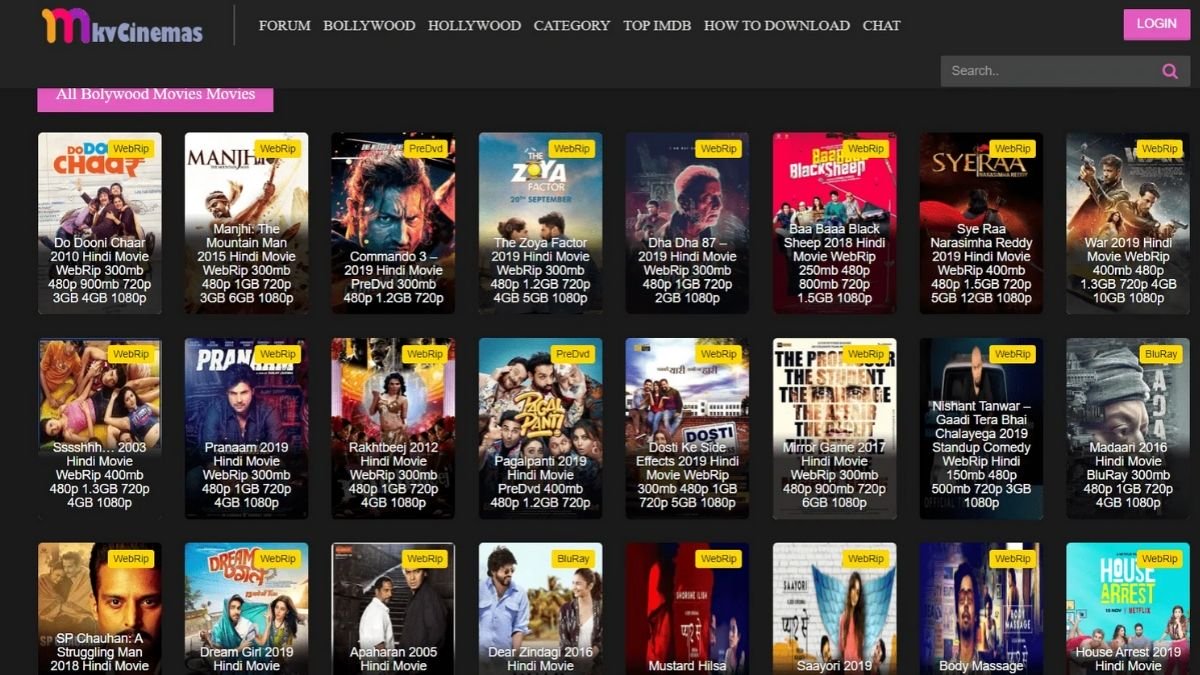
The subject matter encompasses a detailed instructional framework for acquiring and experiencing motion pictures that balance visual fidelity with efficient file sizes. Specifically, it addresses films encoded in the Matroska Video (MKV) container format, typically optimized to occupy approximately 300 megabytes of storage space. This particular file size often represents an appealing compromise, delivering a viewing experience superior to standard definition while being significantly less demanding on bandwidth and storage than larger high-definition files. Such a resource provides step-by-step instructions and insights into the technical aspects and practical applications involved in this specialized area of digital media.
The significance of such a comprehensive instructional resource is rooted in its ability to empower users to navigate the complexities of digital film consumption effectively. It democratizes access to quality cinematic content by offering solutions that circumvent issues related to limited storage, slower internet connections, or data caps, which were prevalent concerns for digital media consumers in earlier eras and remain relevant in many regions. By detailing methods for obtaining and playing these optimized film files, the resource ensures that enthusiasts can enjoy a high-quality viewing experience without the prohibitive demands of uncompressed or excessively large formats. Its utility lies in bridging the technical gap for users, transforming what might otherwise be a challenging process into an accessible and rewarding endeavor.
Consequently, a complete instructional set on this topic typically explores various critical aspects. These include an examination of video codecs and container formats, reputable sources and secure download protocols, the selection and configuration of appropriate media playback software, and techniques for optimizing both the downloading process and the viewing experience. Further sections might delve into subtitle integration, audio track selection, and troubleshooting common issues, ensuring a truly end-to-end understanding for the audience.
Conclusion
The comprehensive exploration of the subject matter, "300mb mkv movies the ultimate guide to downloading and watching highquality films," has illuminated the intricate balance between digital file efficiency and visual fidelity. This guide has systematically detailed the technical underpinnings, practical methodologies, and crucial considerations for acquiring and experiencing film content specifically optimized for compact storage and bandwidth-friendly distribution. Key aspects addressed include the definition and contextual "high-quality" representation of such files, the imperative for legitimate acquisition, the selection of robust playback software, and the strategic utilization of the Matroska container's advanced features for a tailored viewing experience. The collective information presented underscores the viability of achieving a satisfying cinematic experience without the excessive resource demands traditionally associated with uncompressed or extremely high-bitrate media.
The sustained relevance of such an optimized approach to digital film consumption remains undeniable, particularly in diverse technological environments where storage capacity, network speed, or data limits are significant factors. The principles outlined within this guide serve not merely as a technical instruction set but as a framework for informed and responsible digital media engagement. Continued adherence to best practices, encompassing legal compliance, security protocols, and a foundational understanding of media technologies, is essential. This ensures not only the preservation of a high-quality viewing experience but also contributes to the sustainable evolution of digital content distribution, empowering users to make discerning choices in an ever-expanding digital landscape.