Editorial Note: This article is written based on topic research and editorial review.
In an increasingly interconnected world, the ability to control and administer computing devices from any location has become not merely a convenience but a strategic imperative. For enthusiasts, educators, and professionals alike, the Raspberry Pi a compact, versatile single-board computer represents a powerful platform for innovation. Yet, its physical presence can often limit its deployment or require laborious local interaction. The quest for efficient, cost-free remote management solutions for the Raspberry Pi is a central theme in modern distributed computing, empowering users to unlock its full potential without geographical constraints or prohibitive expenses.
Editor's Note: Published on July 20, 2024. This article explores the facts and social context surrounding "how to remotely manage raspberry pi for free a comprehensive guide".
Core Methodologies for Unattended Operation
A suite of established and freely available tools forms the bedrock of remote Raspberry Pi management. At the forefront is SSH (Secure Shell), a cryptographic network protocol that enables secure data communication between two networked devices. SSH provides a command-line interface, allowing users to execute commands, transfer files, and manage system processes as if directly connected to the Pi. Its ubiquity and robust security features, when properly configured, make it the default choice for many.
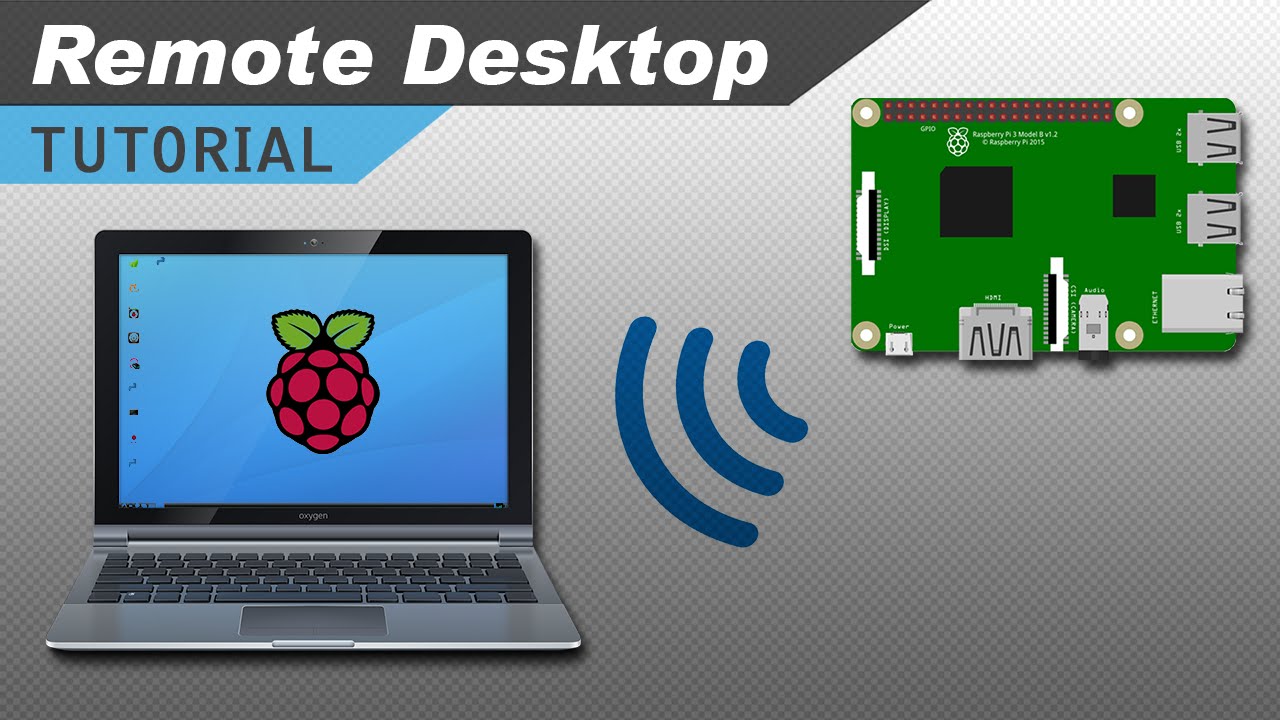
For those who prefer a graphical interface, VNC (Virtual Network Computing) offers a powerful solution. VNC allows users to view and interact with the Raspberry Pi's desktop environment remotely, providing a visual representation of the system. This is particularly useful for applications that require GUI interaction or for users more comfortable with a visual workflow. Integrating VNC typically involves installing a VNC server on the Raspberry Pi and a VNC client on the controlling device, with several free options available for both.
Beyond these foundational tools, several other free strategies exist. Web-based administration panels, though less common as a universal solution for Pi than for more traditional servers, are emerging. Tools like Cockpit, while not specific to Pi, can be adapted, offering a browser-based dashboard for system monitoring and basic administration. For temporary or ad-hoc access through firewalls, services like ngrok can create secure tunnels to expose local services to the internet, albeit with caution advised due to security implications if not configured properly. These diverse approaches collectively provide a comprehensive toolkit for managing a Raspberry Pi without direct physical interaction.
Key Insight: The initial setup for SSH on a Raspberry Pi can be as simple as creating an empty file named "ssh" in the boot partition of the SD card before first boot. This elegant solution bypasses the need for a screen and keyboard for initial access, showcasing the platform's design for headless operation from the outset.