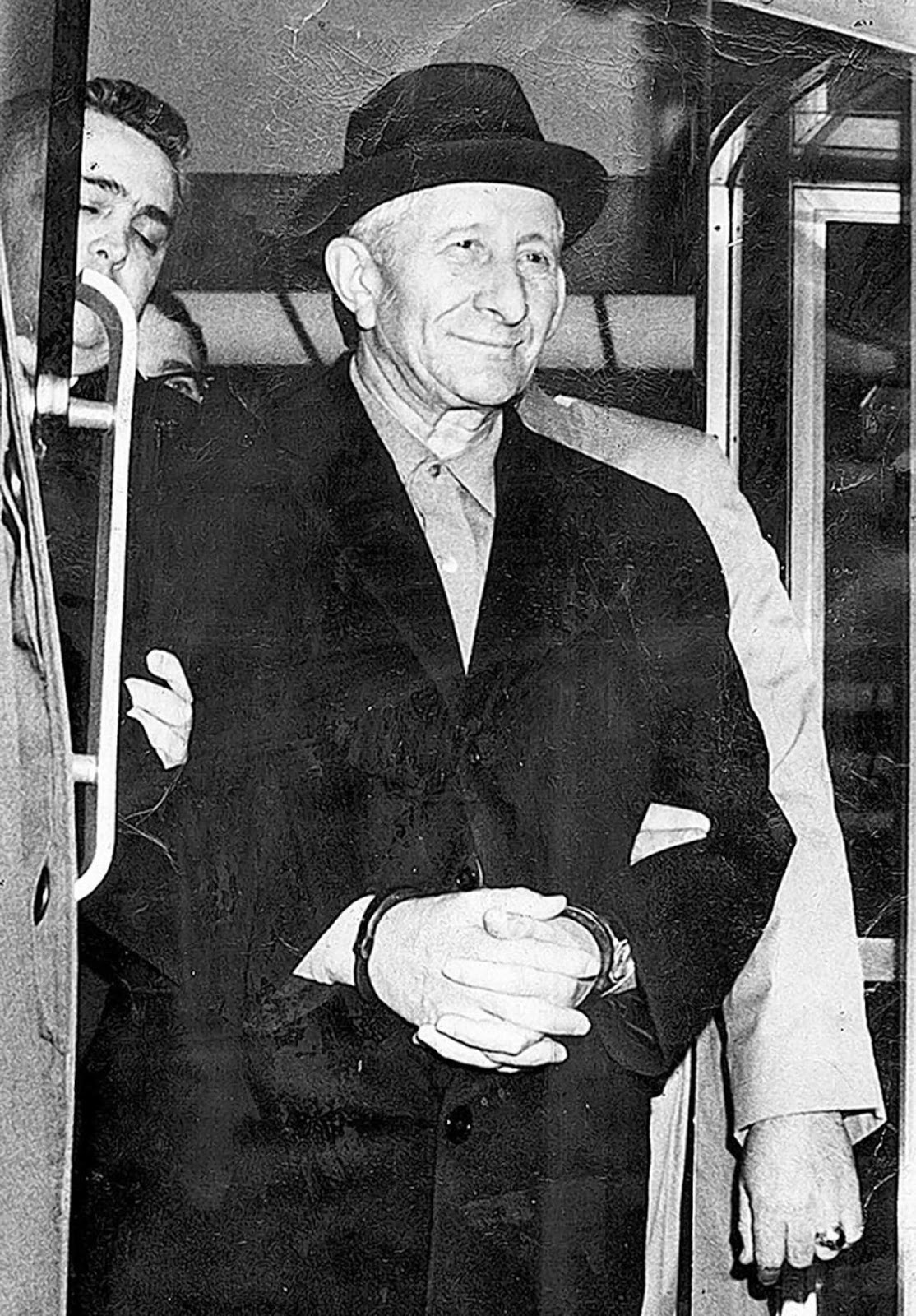
Editorial Note: This article is written based on topic research and editorial review.
The exploration of an individual's life and lasting influence, particularly one as enigmatic as Carlo Gambino, involves a meticulous examination of historical records, personal accounts, and the societal context in which such a figure operated. This endeavor seeks to systematically lay bare the formative experiences, strategic decisions, and enduring impact of a personality often described by his understated demeanor despite wielding immense power. It is an analytical undertaking, aiming to present a coherent narrative that moves beyond sensationalism to offer a factual and nuanced understanding of his trajectory and the mechanisms of his authority within the criminal underworld.
Such an in-depth study holds significant importance for several reasons. It provides critical insights into the evolution of organized crime syndicates, illustrating the sophisticated organizational structures, intricate networks, and subtle power plays that defined an era. Understanding the operational methodologies and leadership styles employed by figures like Gambino offers a window into the historical dynamics of illicit enterprises and their sometimes surprising resilience. Furthermore, it contributes to a broader comprehension of American social history, revealing how such clandestine organizations intersected with legitimate society, influenced politics, and impacted economic landscapes, thereby enriching the historical record beyond conventional narratives.
A comprehensive narrative would delve into his early origins and rise through the ranks, meticulously tracing the steps that led to his ascendancy. Subsequent examination would focus on the consolidation of his authority, the strategic alliances forged, and the innovative methods employed to maintain control over a vast and complex criminal empire. The lasting effects on the structure and operations of the criminal family he led, as well as his broader influence on organized crime beyond his lifetime, would form crucial components of this extensive historical analysis.
Conclusion
The extensive examination of Carlo Gambino's life and enduring influence reveals a figure who masterfully navigated the treacherous landscape of organized crime, establishing a profound and lasting impact through an unconventional approach. This analysis has highlighted his understated demeanor, often earning him the moniker "The Quiet Don," which belied a formidable strategic intellect and an unparalleled capacity for organizational leadership. Key points elucidated include his meticulous rise to power, the strategic alliances forged to consolidate his authority, and the emphasis on discretion and long-term stability that defined his tenure. Gambino's ability to maintain control, minimize internal strife, and expand his criminal empire through shrewd business acumen rather than overt displays of violence represents a unique paradigm within the annals of illicit enterprises. The exploration has underscored the complexity of his character and the sophistication of the criminal network he commanded, demonstrating how an individual can shape an entire subculture through calculated decisions and an unwavering commitment to a specific operational philosophy.
Understanding the intricacies of such a historical figure extends beyond mere biographical interest; it offers critical insights into the dynamics of power, the evolution of criminal organizations, and their often-subtle intersections with legitimate society. The legacy of Carlo Gambino serves as a compelling case study in strategic leadership within a clandestine environment, illustrating the profound effects of an individual's vision and methodology on an entire generation of illicit operations. Continued academic and historical inquiry into these complex narratives remains crucial, providing invaluable context for comprehending the broader socio-political landscapes of the 20th century and the enduring challenges posed by organized crime's adaptive nature. The examination of figures like Gambino offers a lens through which to analyze the persistent allure and organizational resilience of such entities, thereby enriching the understanding of historical forces that continue to resonate.