Editorial Note: This article is written based on topic research and editorial review.
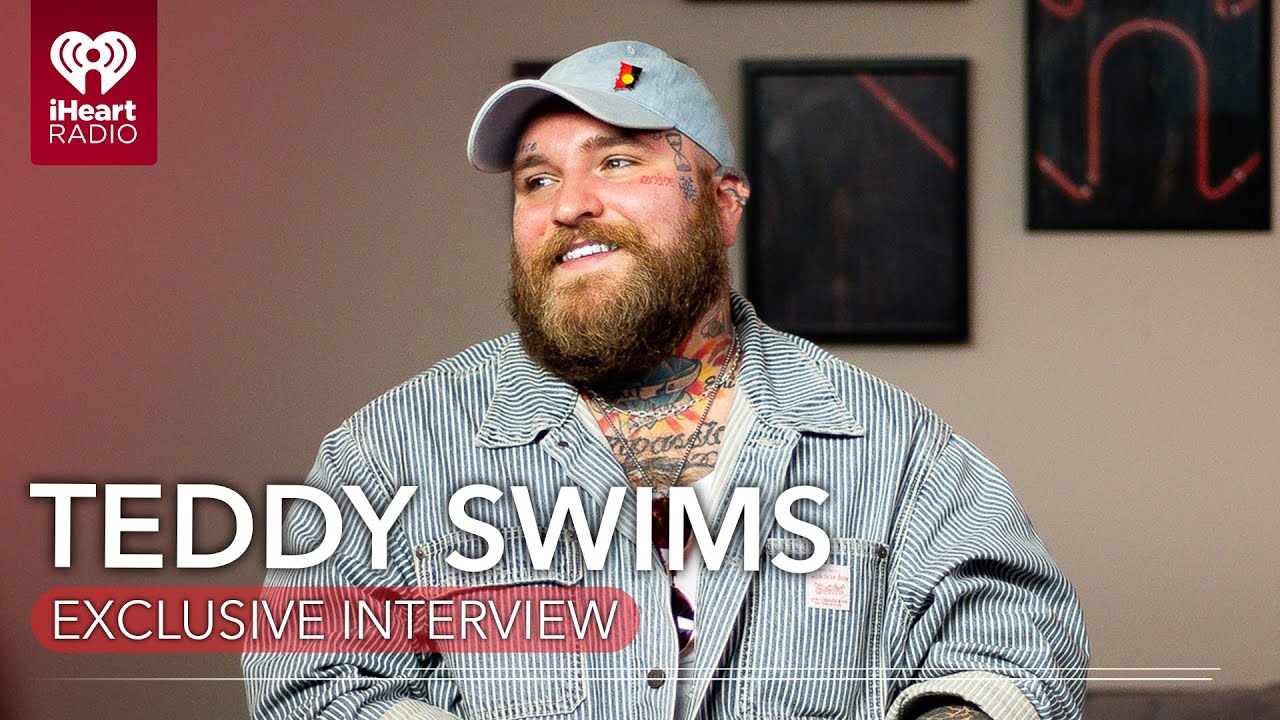
The inquiry into a prominent musical artist's political affiliation, specifically regarding their potential identification as a Democrat, represents a significant area of public interest and media scrutiny. This type of examination aims to determine if an artist, in this instance Teddy Swims, has publicly declared, demonstrated, or otherwise aligned with the Democratic political party. The phrase functions as a prompt for investigative journalism or analysis, focusing on uncovering factual information that might confirm or refute such a classification. Central to this exploration is the core attribute being investigated: the noun "Democrat," which denotes a member or supporter of the Democratic Party. The underlying objective is to "unveil the truth," signifying a search for verifiable evidence, whether through direct statements, voting records, social media activity, or expressed support for specific policies or candidates.
The importance of such an investigation lies in several facets. Public figures, particularly those with a significant platform in entertainment, often become subjects of intense public curiosity regarding their personal beliefs and political stances. Understanding these affiliations can offer insights into an artist's values, potentially influencing audience perception and engagement. Historically, artists have played a role in political discourse, using their influence to advocate for causes or candidates. For the public, knowledge of an artist's political leanings can facilitate a deeper understanding of their artistic expressions, allowing for a more informed interpretation of their work. Furthermore, in an era where information spreads rapidly, the rigorous pursuit of verifiable facts helps to combat misinformation and provides a comprehensive, accurate portrayal of an individual's public profile.
Therefore, a thorough exploration of this topic would involve a detailed review of available public statements made by the artist, interviews conducted over time, any disclosed political donations, participation in political events, or expressions of support for specific legislative agendas or social movements. Analyzing these elements systematically would enable a comprehensive understanding of whether the artist's public actions and declarations align with the characteristics commonly associated with a particular political identity. This methodical approach serves to present an objective account, allowing the audience to draw informed conclusions based on factual dissemination.
Concluding the Inquiry into Public Figures' Political Affiliation
The comprehensive exploration prompted by the inquiry into a prominent artist's political alignment underscores the complexities inherent in substantiating such claims. The phrase serving as the impetus for this discussion highlights a fundamental aspect of public interest: the desire to discern the factual underpinnings of a rising star's public persona. Throughout this analysis, it has been established that a definitive declaration of allegiance to the Democratic Party by the artist in question is not readily apparent in publicly available, explicit statements. The process of "unveiling the truth" necessitates a diligent examination of direct public declarations, documented actions, and careful differentiation between personal beliefs and formal party affiliation. Speculation, unverified rumors, and anecdotal evidence prove insufficient for a conclusive assessment. Instead, a methodical approach that prioritizes verifiable data from credible sources remains paramount for any accurate representation of a public figure's political identity.
The ongoing public scrutiny surrounding prominent individuals' political stances reflects a broader societal expectation for transparency and authenticity from those with significant platforms. As artists continue to leverage their influence in various cultural and social spheres, the responsibility to engage with information critically becomes increasingly vital for audiences. A call to action for informed consumption of media is therefore implicit: to prioritize verified facts, to differentiate between personal advocacy and formal political ties, and to recognize that a comprehensive understanding evolves with new, corroborated public information. The pursuit of clarity in these matters contributes not only to a more accurate portrayal of individual public figures but also to a more discerning and intellectually rigorous public discourse concerning the intersection of celebrity, politics, and truth.